When we look closely at popular cosmetic treatments aimed at turning back the clock—lasers, microneedling, and chemical peels—we discover a fascinating biological truth: anti-aging is often just wound healing in disguise.


When we look closely at popular cosmetic treatments aimed at turning back the clock—lasers, microneedling, and chemical peels—we discover a fascinating biological truth: anti-aging is often just wound healing in disguise.
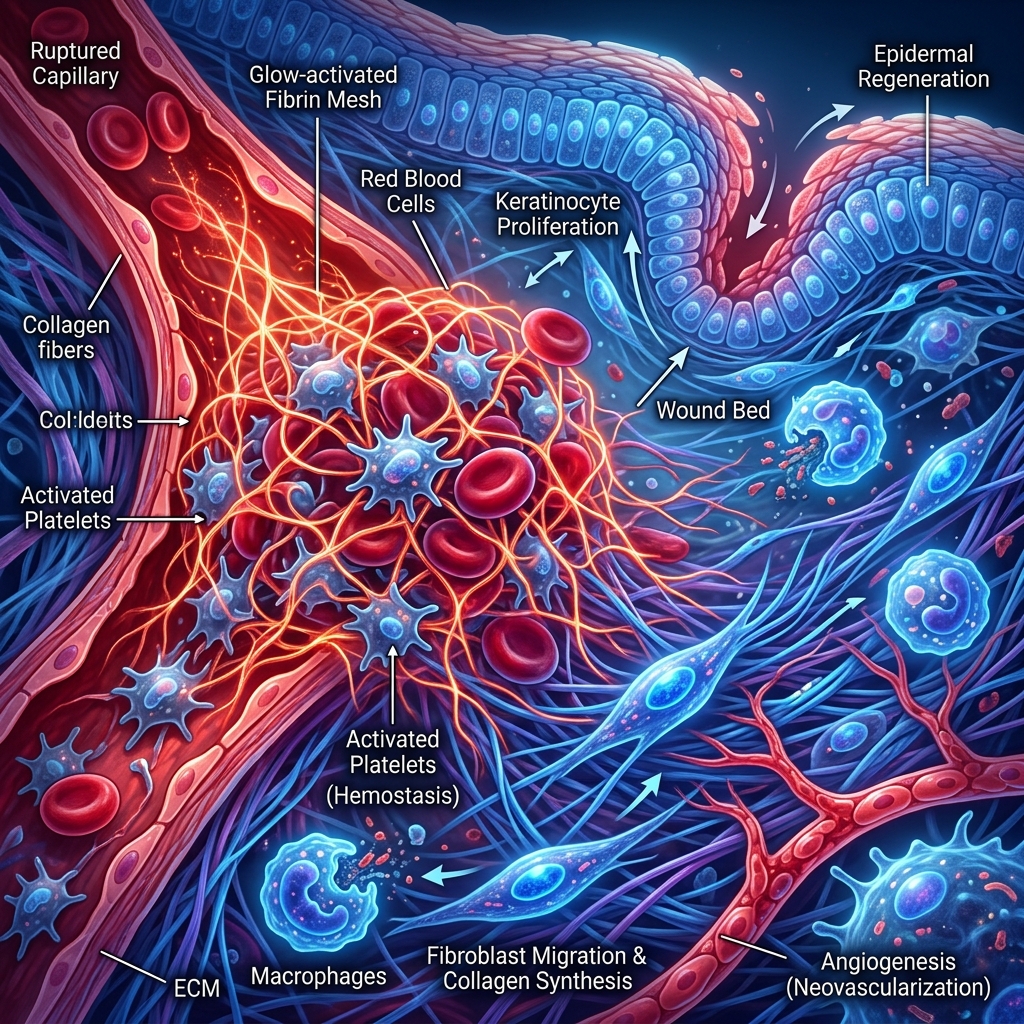
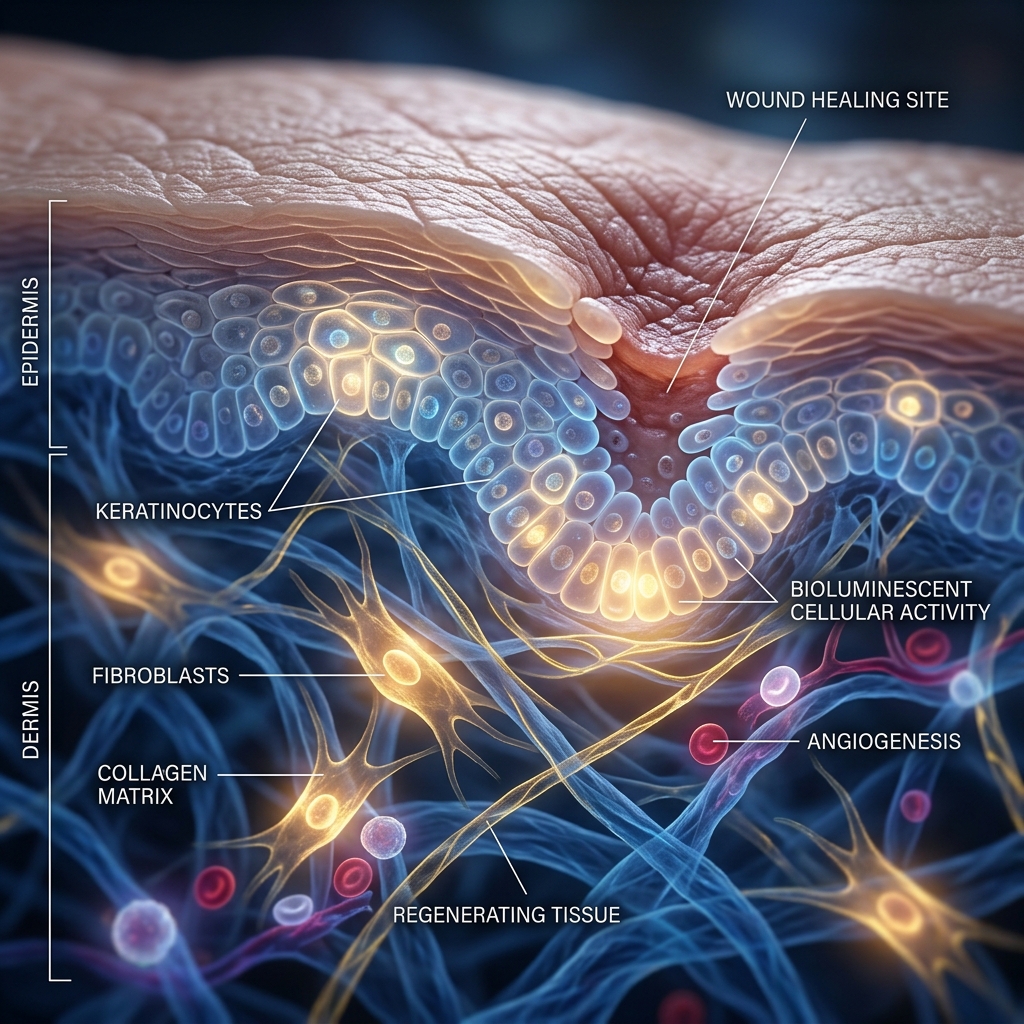
1. Creating the Micro-Wound: Treatments like microneedling involve deliberately creating thousands of microscopic punctures in the dermis. This controlled trauma triggers the body's natural hemostasis and inflammatory phases.
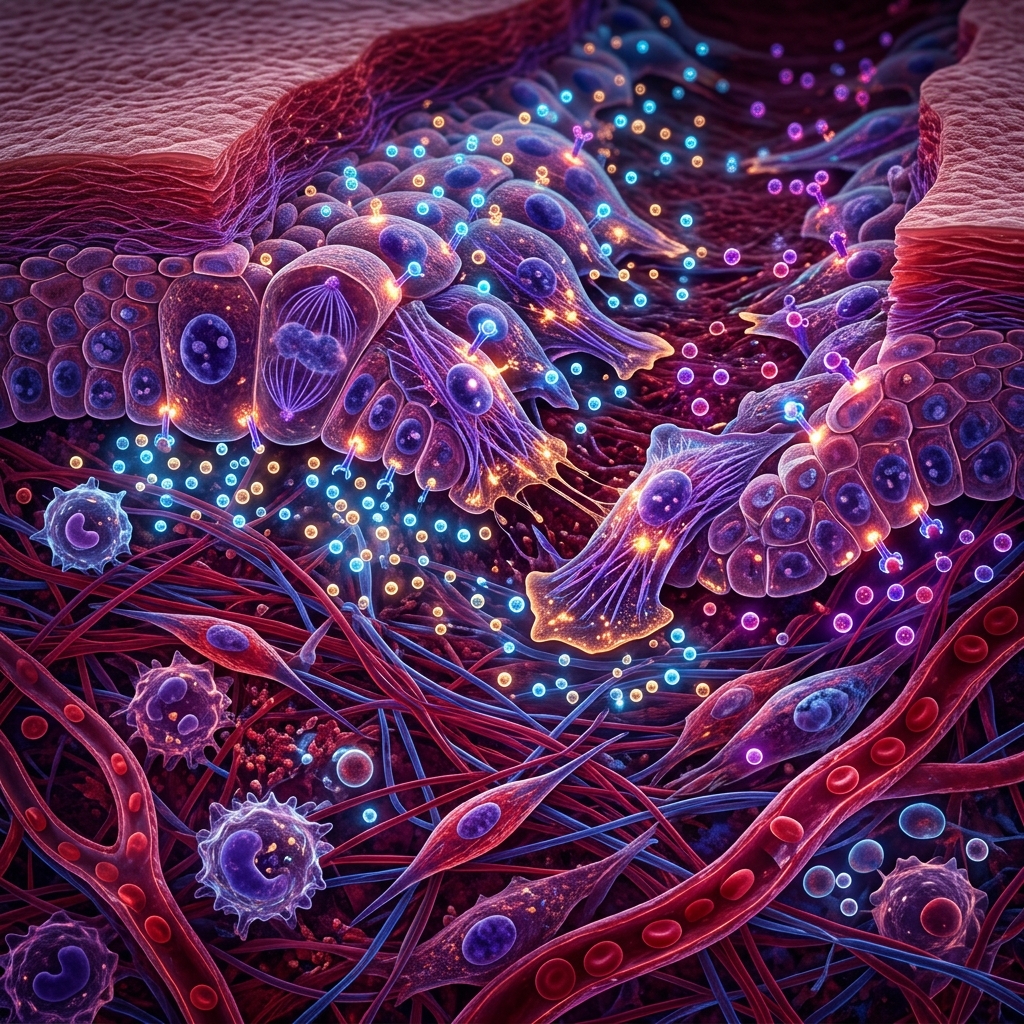
2. Hijacking Proliferation: As the body rushes to heal these micro-wounds, it releases growth factors and upregulates the production of collagen and elastin—the exact proteins responsible for youthful, plump skin. By hijacking the proliferation phase of the wound healing cascade, these treatments force older skin cells to behave like younger, actively regenerating cells.
3. The Future of Aesthetics: Understanding this intersection between clinical wound care and cosmetic dermatology allows for the development of superior post-procedure topical treatments. Products that accelerate the maturation phase of wound healing can significantly reduce downtime and enhance aesthetic outcomes.
The most effective anti-aging strategies don't just conceal the damage; they actively recruit the body's own regenerative healing mechanisms.
Diapeutic Clinical Team

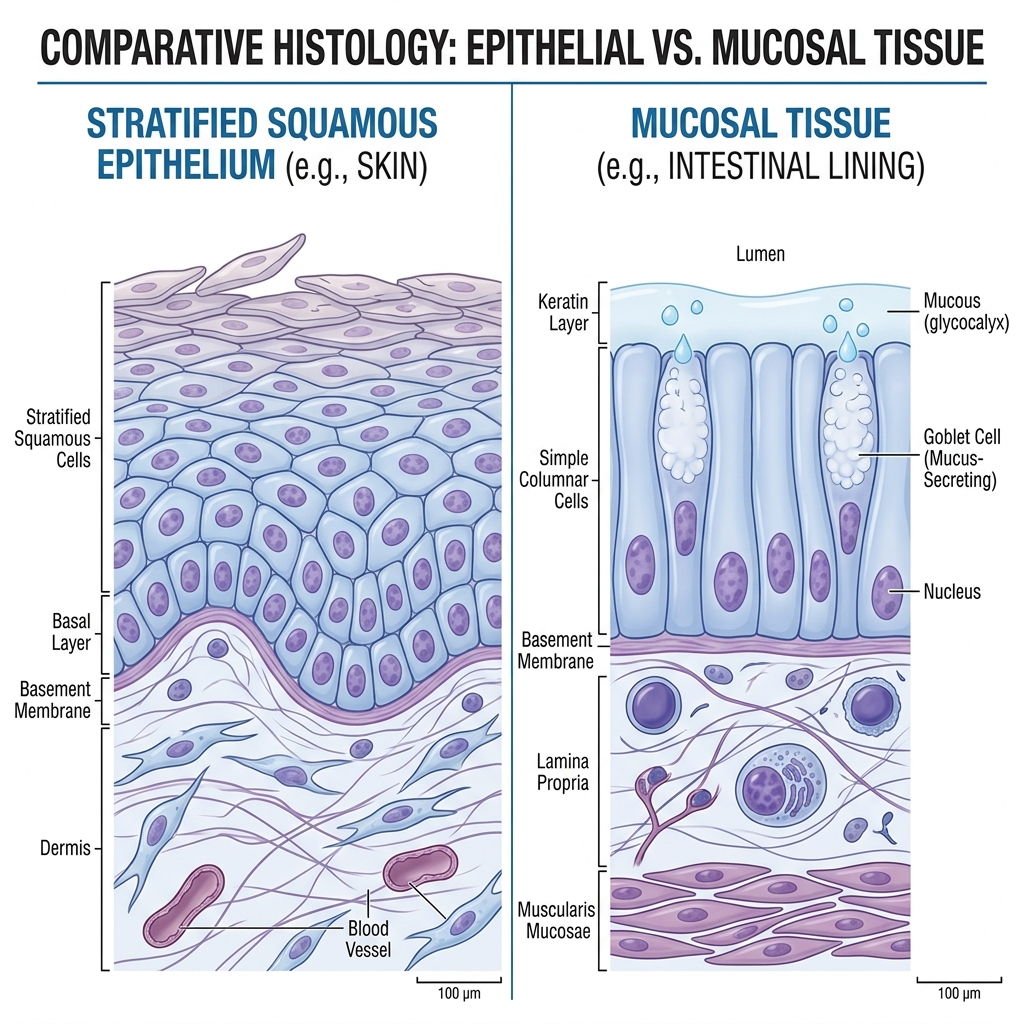
The lack of a keratinized barrier in the mouth means that early-stage squamous cell carcinomas can develop rapidly and penetrate deeper tissues faster than a similar cancer on the skin. Therefore, early detection is absolutely critical.
This is where precision brushing and sampling tools, like those developed for oral dysplasia, become paramount. A tool must be gentle enough not to cause bleeding in the highly vascularized mucosa, yet firm enough to collect a trans-epithelial sample that captures cells from the basal layer where abnormal growth begins.
An experienced commercial executive with a deep background in science, engineering and medical technology.